
Case study · Garment accessories · Bangladesh
Trade Mode Trimming: three companies, one ERP
An order at Trade Mode Trimming used to pass through handwritten logbooks. We brought its three sister companies into ERPNext, connecting the records behind orders, materials, production and delivery.
Agreeing the process came first
Finding an order's status or material costs meant searching paper records. Each company had its own way of doing the work, so installing software alone would have left those differences unresolved.
We mapped how the companies handled an order and agreed a common process before configuring ERPNext. We then set up one instance for the group and moved the historical records into it.
Invento’s implementation
One ERPNext setup for three companies
Invento agreed a common order process with the group, configured ERPNext for all three companies, organised product variants and bills of materials, and migrated historical records. We introduced the system one department at a time, with training for each team.

Product versions and their bills of materials.
Paper records brought into ERPNext.
Each team trained before moving on.
Following an order through the factory
- Order intakeRecord the customer's requirements.
- MaterialsIdentify what the product needs.
- ProductionRecord the manufacturing work.
- QualityCheck the finished product.
- DeliveryFollow the order through dispatch.
A materials list for each product version
Labels, tags and boxes come in different versions, each with its own material requirements. We organised the products and variants around bills of materials, so the factory could identify what an order needed and record what production used.
ERPNext provides the bill of materials structure. Our work was to organise Trade Mode Trimming's product records and configure it around the agreed workflow.
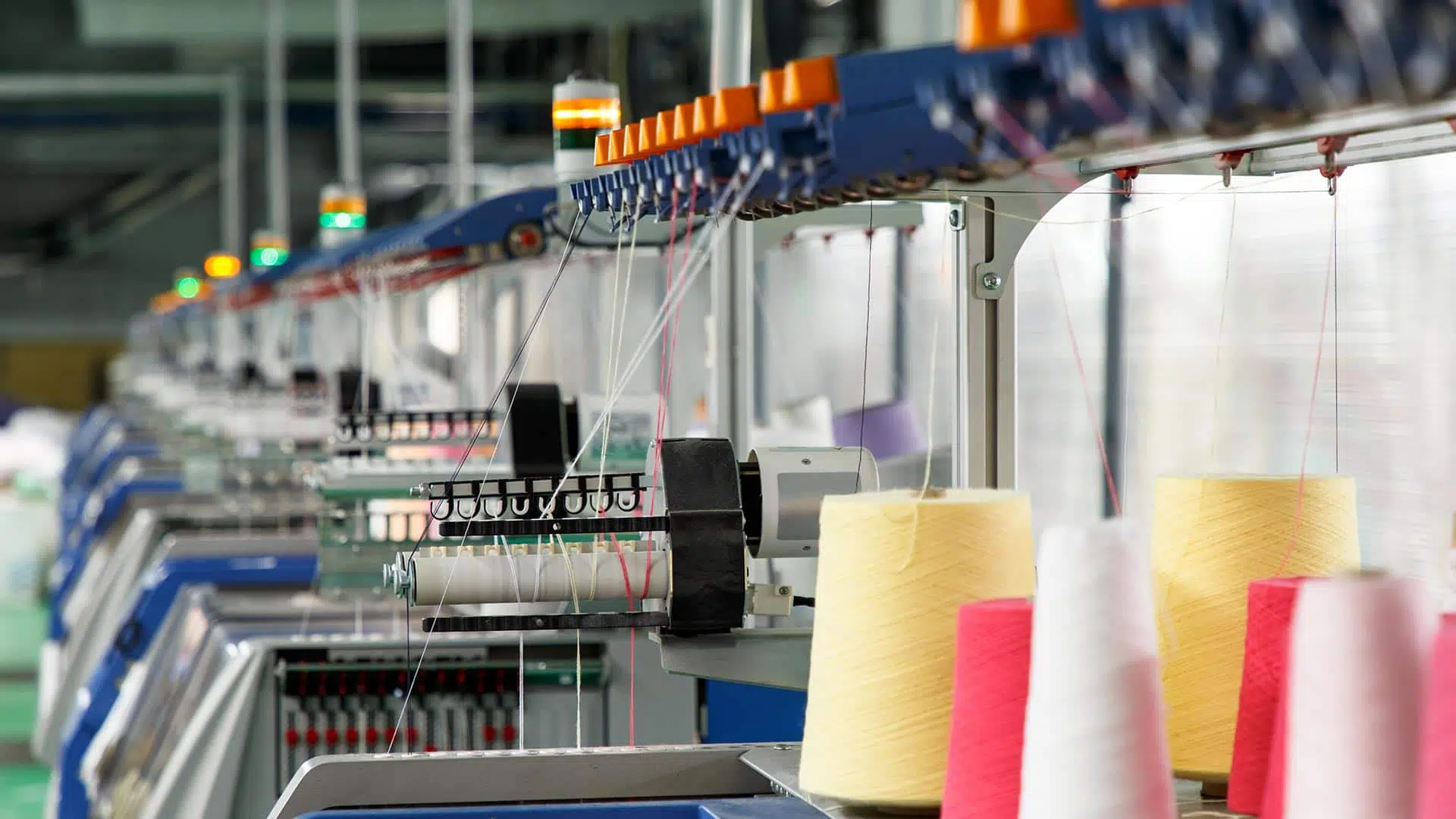
Training the people who knew the work
Some staff had little experience with computers and were concerned about what the new system meant for their jobs. We introduced ERPNext one department at a time and trained each team before moving on.
The rollout covered both the software and the move from paper records. Teams could follow an order and its materials in the system, with the agreed process reflected in their records.
What the client reported
- 20%
- reduction in production time, reported by the client.
Ebadat Chowdhury, Head of IT, reported this in his Clutch review on 2 July 2024. The review does not publish the baseline or measurement method.
“We were impressed with their commitment and personalized service, along with their highly technical knowledge.”
Ebadat ChowdhuryHead of IT, Trade Mode Trimming Limited
Questions about this implementation
Was the system built from scratch?
No. We implemented ERPNext. Our work covered mapping the process, organising product and materials records, configuring the system, moving historical data and training the teams.
How were the three companies brought together?
They were set up in one ERPNext instance around an agreed order workflow. Orders, materials, manufacturing, quality checks and delivery could then be followed in the same system.
How were different product versions handled?
We organised the products and variants around bills of materials. Each list records the materials a product version needs, giving the factory a defined starting point for production.
What happened to the old paper records?
Historical records were moved into ERPNext as part of the implementation, so teams could work from the same history.
Did all departments switch at once?
No. The rollout went one department at a time, with training before moving to the next team.
What should we prepare for a similar project?
Start with a representative customer order, the product versions it can involve, their materials lists and the records each department uses. These help us map the handoffs and identify what the system needs to support.
Planning ERP for a garment accessories business?
Tell us how an order moves through your factory. We can review the handoffs, product variations and records your system needs to handle.
More from us
Related work and practical guides to help you plan your next step.
 Steel fabricationRahim WorkshopA manufacturing business chose ERPNext. Which handoffs needed to come together?Read the case study
 Food manufacturingEarthnutzA food brand born from a family allergy, and the promise it has to keep on every pack.Read the case study
 Reporting and analyticsBestinBrands: ERPNext and Power BIReporting already worked. One report still took days. What was getting in the way?Read the case study